You need new windows when the problem is in the window itself. Think fog trapped between the panes, sashes that won’t stay up, rotted wood, or drafts with the window locked. Wet glass on a cold morning, a sticky lock or a torn screen usually just needs a fix.
Here is how to read each sign honestly, what the building science says, and how to tell a repair job from a replacement. The sources are listed at the end.
Drafts, Noise And Rising Heating Bills
Drafts. On a windy day, hold a lit incense stick near a closed, locked window. The Department of Energy suggests this test: if the smoke blows sideways, you’ve found an air leak. Gaps around the trim can often be caulked or sealed. A window that leaks with the sash locked no longer closes tightly, and that’s harder to fix.
ENERGY STAR names drafty windows with obvious air leaks, and degraded sills or sashes, as signs you are a good candidate for replacement. It also names single pane windows and double pane windows with clear glass, meaning no heat-blocking coating.
Rising bills. Windows cover a small share of a house’s outside surface but a large share of its heat loss and gain, according to ENERGY STAR. It estimates an average savings of about 13% on energy costs when poor performing windows are replaced with certified models. Your number depends on what you have now and where you live. ENERGY STAR calls single pane windows poor performers in cold weather, so they usually have the most to gain. If you’re choosing glass, see our guide to double pane vs triple pane windows.
Noise. If traffic or neighbors sound too close with the windows shut, that’s a fair reason to look at new ones. Sound blocking is rated by STC, and Harvey explains that a higher STC means less sound gets through. If quiet is a priority, tell us at the measure and ask to compare ratings.
Fog Between The Panes Vs Condensation On The Glass
This is the sign people misread most often, so test it first. Wipe the glass on both sides.
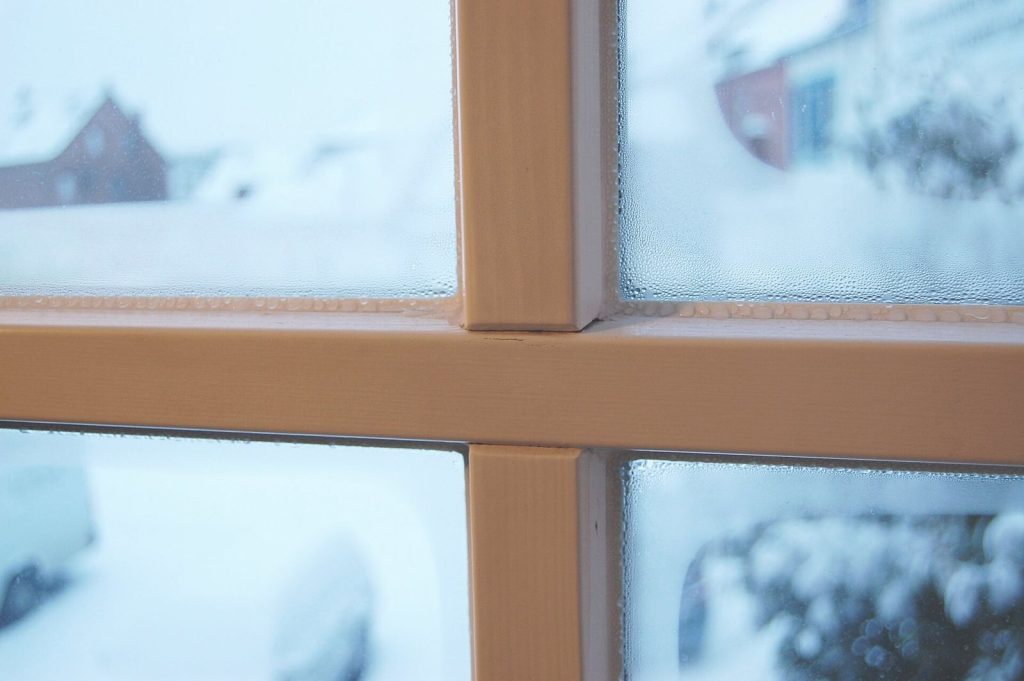
- It wipes away: that’s condensation from indoor humidity. Harvey is clear that condensation is not caused by faulty windows. The cold glass is warning you there is too much moisture in the house.
- It stays, cloudy or streaked: the seal has failed. Harvey describes seal failure as moist air filling the space between the panes when the seal around the glass gives out. No amount of wiping will clear it, because the moisture is sealed inside the glass unit.
- It forms on the outside: that’s usually good news. Harvey compares it to dew on grass, and it shows up on efficient windows that keep heat inside.
Inside condensation still deserves attention. ENERGY STAR warns that chronic condensation on a cold window can pool on the sill, crack paint, damage the sill and encourage mold. North Dakota State University Extension suggests keeping winter humidity under 40% and running kitchen and bath exhaust fans. It also cautions that going below 30% can irritate your breathing.
One honest note: new, tight windows can show more inside condensation than old drafty ones at first. Harvey explains that the old windows were letting your moist air, and your heat, leak outdoors.
Sashes That Stick, Drop Or Rot
Sashes that won’t open, won’t stay up or slam down. ENERGY STAR points out that old windows can stick or become hard to open. That matters if you ever need a window as an emergency exit. Windows painted shut also mean no fresh air on a nice day. On a newer vinyl double hung, check the simple causes first. Harvey’s support page says a sash often won’t stay put because the pivot bar has slipped out of its housing in the track.
Rot. Press gently on the sill and the bottom of the sash. Soft, spongy wood is a warning sign. A small spot on a sound frame can be repaired. Rot that runs into the frame or the wall around it is a replacement job. The Department of Energy’s repair guide stresses finding and fixing the moisture source first, or the new parts will fail early.
Paint, latches and lead. Harvey notes that old latches can rust or strip and become easy to defeat. It also points out that lead paint was common in homes built before 1960 and banned after 1978. Opening and closing an old painted sash can grind that paint into dust. If your house is that old, factor it into any repair plan.
Repair Or Replace: An Honest Way To Decide
Not every tired window needs to go. The Department of Energy’s guide draws a useful line. If the frame is sound, square and undamaged, you can often replace just the glass, sash, track or sill. If the frame or jamb is damaged, the whole unit usually has to be replaced.
| What You See | Usually A Repair | Usually A Replacement |
|---|---|---|
| Condensation you can wipe off | Lower humidity, run exhaust fans | No |
| Fog between the panes | New glass unit, if the frame is sound and parts exist | Several fogged units, or no warranty left |
| Draft at the trim | Caulk and seal | No |
| Draft where the sash meets the frame | New weatherstripping, if available | Worn or warped sash and frame |
| Sash won’t stay up | Reseat the pivot bar or replace worn parts | Warped or broken sash and frame |
| Soft wood | Small, dry spot on a sound sill | Rot in the frame or wall |
| Single pane glass | Storm windows | Replace for comfort and efficiency |
Storm windows are a fair option, especially on a historic house. ENERGY STAR calls certified storm windows an affordable alternative to full replacement. The trade-off is two layers to clean and maintain.
Replacement makes sense when several signs pile up on the same windows. If you replace, it doesn’t have to be the whole house at once. Harvey notes you can go room by room. Our Harvey Classic, our best seller, starts at $617 installed, and the triple pane Harvey Homerun starts at $699. Those are white double hung prices with basic installation; grids and colors add. Every window carries our transferable Lifetime Warranty. See the full ladder in our New Hampshire cost guide, or read how long vinyl windows last.
Frequently Asked Questions
How do I know if my window seal has failed?
Look for fog or haze between the panes that you can’t wipe off from either side. Moisture you can wipe away is condensation from indoor humidity, not a failed seal.
Is condensation on the inside of my windows a sign I need new ones?
Usually not. It is most often a sign of high indoor humidity, so run exhaust fans and keep winter humidity under about 40%. If water keeps pooling and the sill is going soft, that’s a different story.
Can I replace just the glass instead of the whole window?
Often, yes, if the frame is sound and square and replacement glass is available. If the frame or jamb is damaged, replacing the whole window is usually the better fix.
Do I have to replace every window at once?
No. Many homeowners start with the worst windows, like the drafty north side or a fogged picture window, and do the rest later.
Are storm windows a good alternative to replacement?
They can be, especially on an older or historic house. ENERGY STAR calls certified storm windows an affordable option, but you’ll have two layers to clean and maintain.
If you’re not sure which signs you’re seeing, let us look. Our own local crew measures every opening, tells you honestly what can be repaired, and puts the price in writing with no pressure. Ask about Synchrony financing during the visit if it helps. Call (603) 764-7212, Monday to Friday 8:00 to 5:00, or use the form below.
Sources
- ENERGY STAR: High Performing Windows or Storm Windows
- ENERGY STAR: Certified Windows 2025 Key Messages (PDF)
- ENERGY STAR: Qualified Windows Protect the Home and Increase Comfort (PDF)
- U.S. Department of Energy: Energy Saver Guide (2022)
- U.S. Department of Energy: Repairing Windows and Doors (PDF)
- Harvey Windows + Doors: FAQs
- Harvey Windows + Doors: Condensation, Are My Windows the Cause?
- Harvey Windows + Doors: 5 Reasons to Replace Old Windows
- Harvey Windows + Doors: Benefits of Vinyl Windows
- NDSU Extension: Eliminate Condensation on Windows
Header photo: Sprossenfenster 03 by TomAlt, licensed CC BY-SA 3.0, via Wikimedia Commons.