For most New England houses, the double hung is the right replacement window. A casement is better where you reach across a counter or want the tightest seal. Sliders suit wide, short openings, and bay and bow windows are for the room where you want more light and a little more space.
Below we compare all five on how they open, clean, ventilate and seal, where each fits, and what each costs. Only our double hungs have published prices. Every other style is priced from the free in-home quote, because size and structure change the job.
The Five Styles Side By Side
| Style | How It Opens | Cleaning | Ventilation | Seal | Price |
|---|---|---|---|---|---|
| Double hung | Both sashes slide up and down | Both sashes tilt in on every double hung we install | Open top and bottom for in-and-out airflow | Good; modern sash locks cut air leaks | From $545 installed |
| Slider | Sash glides left or right on a track | Does not tilt in like a double hung | One or both sashes slide open | Good when locked | From the in-home quote |
| Casement | Hinged on the side, cranks outward | Opens to 90 degrees | Opens fully and catches side breezes | Strongest; the sash presses into the frame | From the in-home quote |
| Bay | Large center window with angled side windows | Depends on the side units | Through any operating side units | Depends on the side units | From the in-home quote |
| Bow | Several equal windows in a gentle curve | Depends on the operating units | Through the operating units | Depends on the operating units | From the in-home quote |
Glass and frame matter as much as style. Whatever style you choose, compare the U-value. The Department of Energy advises a low U-factor for better thermal resistance in cold climates. ENERGY STAR also advises getting the brand, model and ratings written into every estimate so quotes can be compared fairly.
Double Hung And Slider Windows
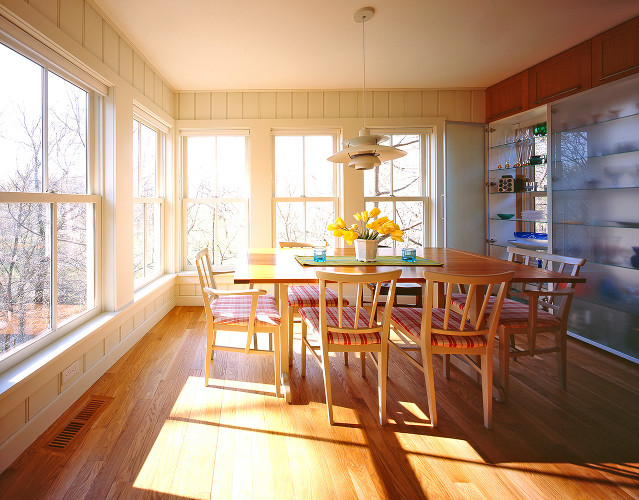
Double hung. Both sashes move on their own, so you can open the top and bottom at once. Harvey explains that this sets up an in-and-out airflow that clears steam or smoke faster than a single opening. Every double hung we install has both sashes tilting in, so you can wash the outside glass from inside the house. That alone matters on a second floor.
Harvey calls the double hung very versatile for any opening and popular on traditional homes, like many of the colonials and capes around here. Newer double hungs also leak less air, thanks to better sash locks.
Double hungs are also the one style with a published price ladder. Our Harvey Slimline starts at $545 installed. The Harvey Classic, our best seller with a .24 U-value, starts at $617. The triple pane Harvey Homerun, our best value and most efficient window at .18, starts at $699. Those are white double hungs with basic installation; grids and colors add. Compare all six models in our double hung guide.
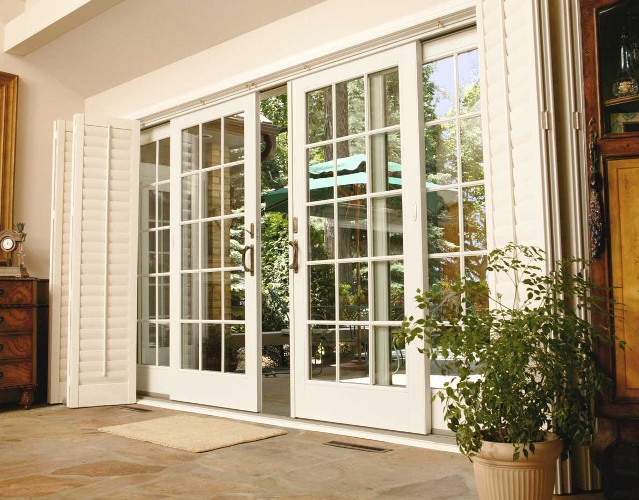
Slider. A slider glides sideways on a track, with one fixed sash and one moving, or two moving sashes. Harvey recommends sliders for openings that are wider than they are tall. They’re common on ranches and finished porches. The trade-off is cleaning: a slider can’t tilt in like a double hung. If you have a long, low opening, a slider is often the simplest fit.
Casement Windows For Tight Seals And Hard Reaches
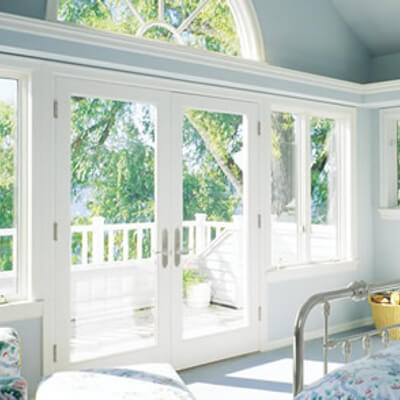
A casement is hinged on one side and cranks outward. Turning a crank takes less force than lifting a sash, Harvey notes. That’s why casements work so well over a kitchen sink or counter. Harvey’s vinyl casement opens to 90 degrees. A single latch locks it at several points, so nobody has to stretch for a top lock.
Casements also seal best. When you crank one closed, the sash presses against the frame for a stronger seal. Harvey adds that a casement opens at an angle that drives breezes into the home more efficiently.
A few honest cautions. Harvey warns that an open casement can be damaged by wind in a storm, so close them before bad weather. The screen sits inside, and the sash swings out, so check that it won’t hit a deck railing or walkway.
Casements can also serve as egress windows when sized correctly. Harvey suggests them where code requires an exit but space is tight. Their top-hinged cousin, the awning window, is angled so the open sash blocks rainfall, which lets it vent in wet weather. See both on our casement and awning page.
Bay And Bow Windows For The Front Room
Bay and bow windows project out from the wall. They add light, a view in three directions and a little floor space. Harvey describes a bay as a large center window flanked by smaller windows, usually set at 30 or 45 degrees. A bow is a gentler curve of equal windows, typically at 10 degrees each.
Harvey says a fixed picture window is a popular centerpiece for a bay. In that case your fresh air comes through the side windows, so ask which units open. A bay can also make room for a cushioned window seat, and a bow gives a more rounded look.
These are bigger jobs than a straight swap. Harvey’s bow windows come with insulated head and seat boards and a framed, sheathed roof system. A cable support system is required for every bay and bow. That’s why we price every bay and bow in your home. Harvey notes they’re most common on the front of the house, in living rooms or anywhere you want the most daylight. Learn more on our bay and bow windows page.
Frequently Asked Questions
Which window style is the most energy efficient?
Casements and awnings seal tightest because closing them presses the sash into the frame. Glass matters just as much. A triple pane double hung like the Harvey Homerun, at a .18 U-value, can outperform a casement with weaker glass.
Which window style is easiest to clean?
The double hung. Every double hung we install has both sashes tilting in, so you can clean the outside glass from inside.
Can I replace a double hung with a casement?
Often, yes. It depends on the size of the opening and what’s outside it, and we check both at the free in-home measure.
Why don’t you publish prices for sliders, casements, bays and bows?
Their sizes and builds vary too much for a fair starting number. Bays and bows also include a roof system and support cables. Your exact price comes from the free in-home quote, in writing.
Can I mix window styles in the same house?
Yes, and many homes do. A typical mix is double hungs in the bedrooms, a casement over the kitchen sink, and a bay or bow in the front room.
The best way to choose is to stand in each room and look at the openings with an installer. Our own local crew will measure every opening, show you which styles fit, and price them in writing with no pressure. Every window carries our transferable Lifetime Warranty. Financing through Synchrony runs 0% for 18 months, as low as $87/month* for a house full of windows. Call (603) 764-7212 or use the form below. *Rates and terms dependent on qualifying credit.
Sources
- Harvey Windows + Doors: Understanding the Different Types of Windows
- Harvey Windows + Doors: 7 Window Styles and Where to Put Them
- Harvey Windows + Doors: The Many Benefits of Energy Efficient Windows
- Harvey Windows + Doors: Casement Windows
- Harvey Windows + Doors: Vinyl Casement Window
- Harvey Windows + Doors: Vinyl Bow Windows
- Harvey Windows + Doors: Vinyl Windows
- ENERGY STAR: Certified Windows 2025 Key Messages (PDF)
- U.S. Department of Energy: Energy Saver Guide (2022)
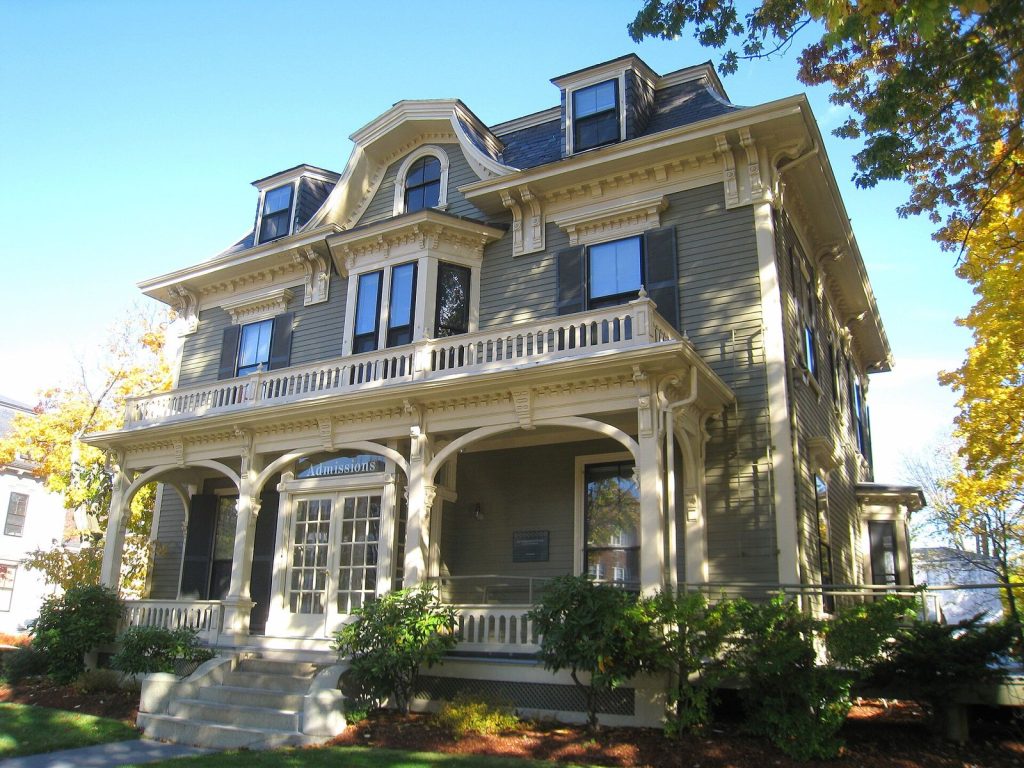
Header photo: Lesley College Admissions Building – IMG 1339 by Daderot, public domain, via Wikimedia Commons.